Hotel Bed Specification: What Defines a Professional Hospitality Bed
Guest expectations continue to rise. For hotels and serviced accommodation, the bed is not a piece of furniture — it is a core operational asset. A professional hotel bed must deliver comfort, durability, hygiene, flexibility and service efficiency simultaneously.
So what truly defines a hotel bed? The answer lies in its construction, mattress specification, hygienic performance and adaptability to daily hospitality operations.

1. Construction of a Professional Hotel Bed
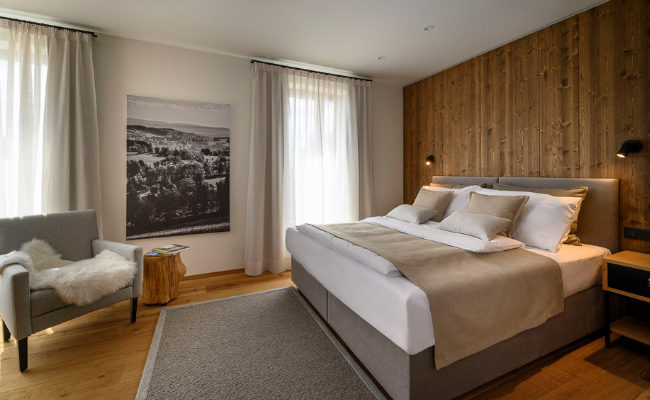
A complete hotel bed consists of three main components: base, mattress and headboard. Each part must be designed with operational logic in mind.
Optimal Bed Height
The standard total height of a hotel bed (including mattress) should be 55–60 cm. This ensures:
- comfortable sitting and standing for guests,
- a visually dominant and representative room appearance,
- better ergonomics for housekeeping staff.
Base Construction
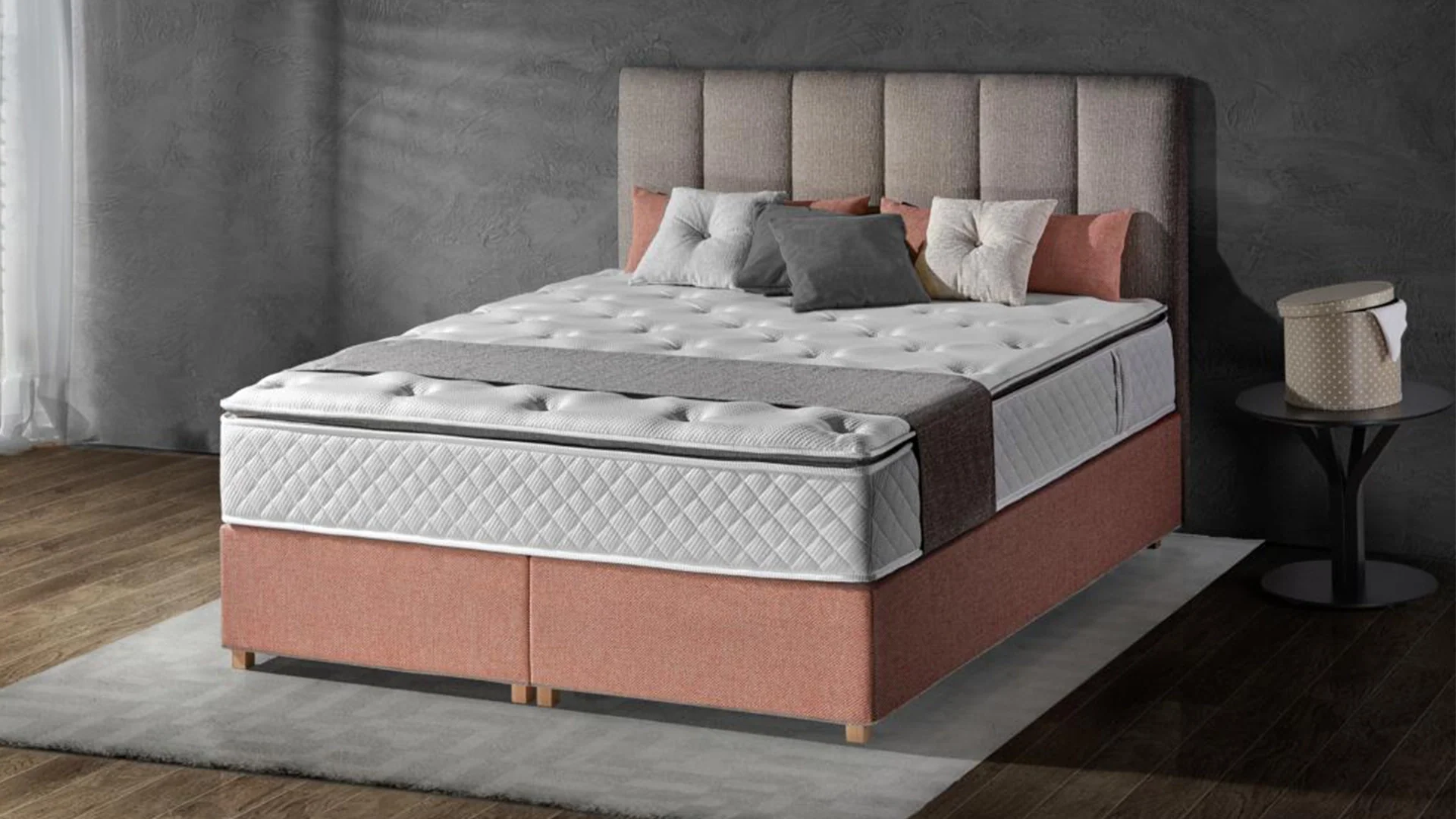
The base is typically a solid wooden or engineered structure placed on legs or a plinth. In higher-end specifications, the base may incorporate an integrated spring system (boxspring construction).
A key principle of professional hospitality beds is a flush construction without an overhanging frame. The mattress should sit freely on the base but be securely fixed to prevent movement.
Why avoid a recessed or framed design?
- Eliminates risk of guests injuring their legs when entering or leaving the bed
- Prevents gaps when two beds are joined together
- Improves housekeeping efficiency
Flexible Configuration: King & Twin
Most hotel rooms are designed as double occupancy. Modern hospitality standards require flexibility:
- King configuration – professionally joined beds without visible gaps
- Twin configuration – two fully separated beds
When two beds are connected, there must be no structural gap between mattresses.

2. Mattress: The Core Performance Element
The mattress is the most critical component of the hotel bed. Mattress quality directly determines sleep quality, guest satisfaction and long-term operational durability.
Spring (Bonell) Mattresses
Traditional spring mattresses use interconnected coil systems (bonell core). They offer:
- high breathability
- structural durability
- balanced support across the surface

Pocket Spring Mattresses
Pocket spring mattresses contain individually wrapped coils. Each spring reacts independently, allowing zoning — softer shoulder zones and reinforced hip support.
This solution is considered top-tier within hospitality environments and meets the expectations of demanding guests.

Foam Mattresses
Foam mattresses are used less frequently in professional hotel operations. While they may offer cost advantages, international hotel chains rarely rely on foam-only constructions due to durability and ventilation considerations.

Hygiene & Covers
A hotel mattress must include a removable and washable cover to meet hygiene standards. Additional protection is provided by a breathable mattress protector, which prevents contamination and can be washed at high temperatures.
Durability, ease of maintenance and long-term shape stability are essential performance criteria.

3. Headboard: Design & Practicality
The headboard is both a design feature and a functional component. In most professional installations, it is mounted directly to the wall, allowing easier removal for maintenance or hygiene inspection.
Custom headboards may integrate:
- lighting elements
- electrical outlets
- switches or USB charging ports
This improves guest comfort while maintaining a clean architectural solution.

4. Extra Beds & Space Efficiency
Extra beds remain an underestimated segment in hospitality. Professional solutions include:
- integrated pull-out beds built into the base
- daytime sofa-to-bed systems
- independent rollaway beds for flexible capacity increase
Operationally efficient extra beds allow properties to increase room capacity without compromising design or comfort standards.

Final Note
A high-quality hotel bed does not have to be excessively expensive. The key is correct specification and understanding operational priorities: durability, hygiene, flexibility and guest comfort.
For more than three decades, UNAR has been designing and manufacturing hotel beds and mattresses built specifically for daily hospitality use.